The Plan
Our strategic roadmap for building a sustainable, profitable farm business
Business Plan Overview
Our farm business plan is built on a foundation of strategic phasing, diversified revenue streams, and leveraging our family's unique skills and interests. The plan balances immediate cash flow needs with long-term investments in enterprises that will mature over time.
We've structured our approach around the concept of "elements" - complementary farm enterprises that work together to create resilience and multiple income streams. Each element is being implemented in a thoughtful sequence to manage startup costs, distribute labor requirements throughout the year, and build toward our long-term vision.
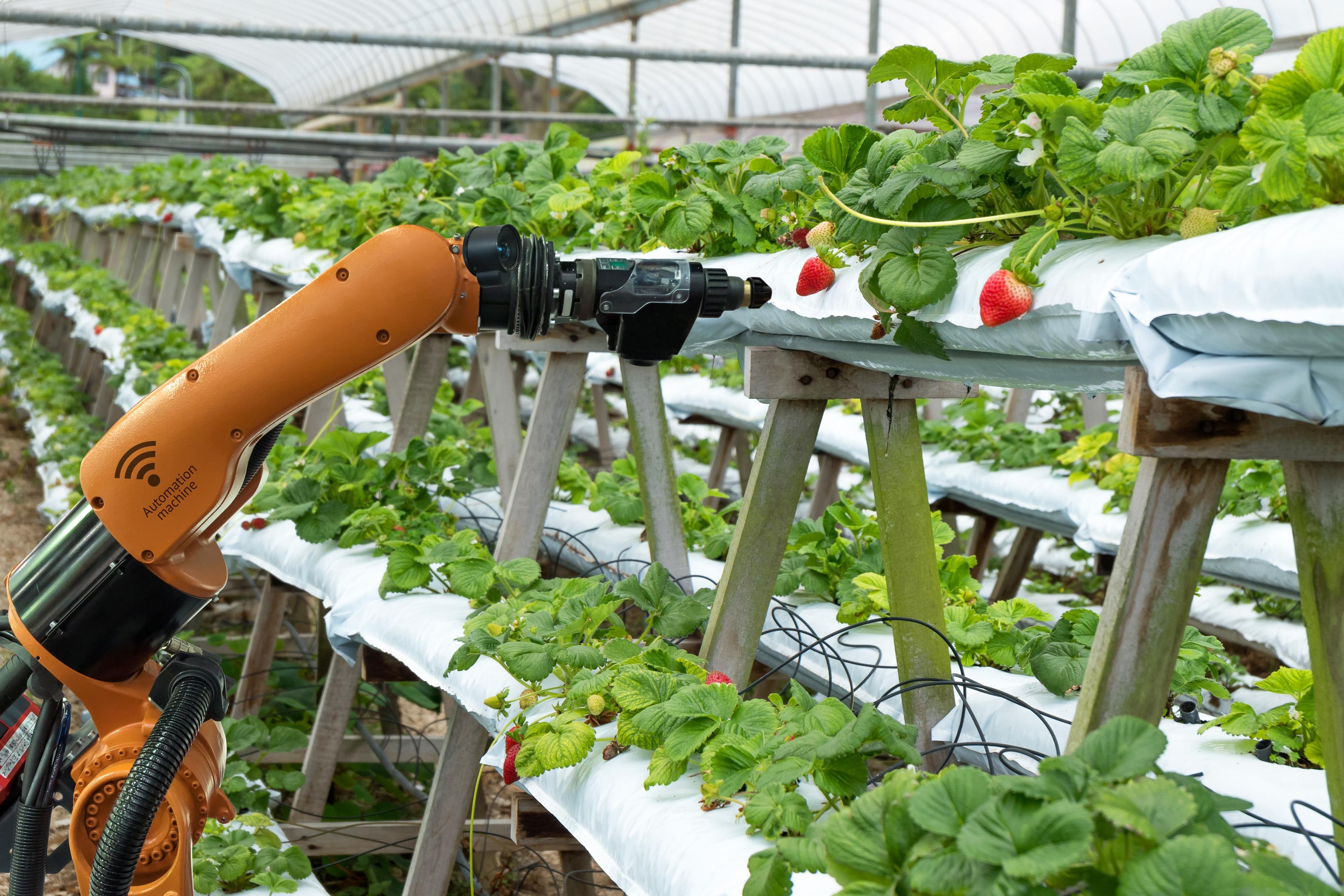
Our approach is guided by a phased strategy designed to generate income to meet our family's needs as we responsibly and sustainably scale our operations. This allows us to concurrently learn new skills and adapt our plans. We embrace an agile methodology, understanding that, as the saying goes, "no plan survives first contact with the enemy." The cornerstone of our strategy is diversification—not only to create financial resilience but, more importantly, to continuously acquire new skills and keep our work engaging. After establishing initial operations, we are open to exploring leasing opportunities for various parts of our land or specific enterprises, such as the maple syrup processing, solar energy generation, or even hay production, to optimize land use and create additional revenue streams.
Phase 1: Getting Established & Early Cash Flow (Years 1-2)
Key Objectives
- Establish initial revenue-generating enterprises
- Build farm infrastructure and systems
- Develop local market presence and brand recognition
- Begin land improvements and long-term plantings
- Research and plan for Phase 2 enterprises
Maple Syrup
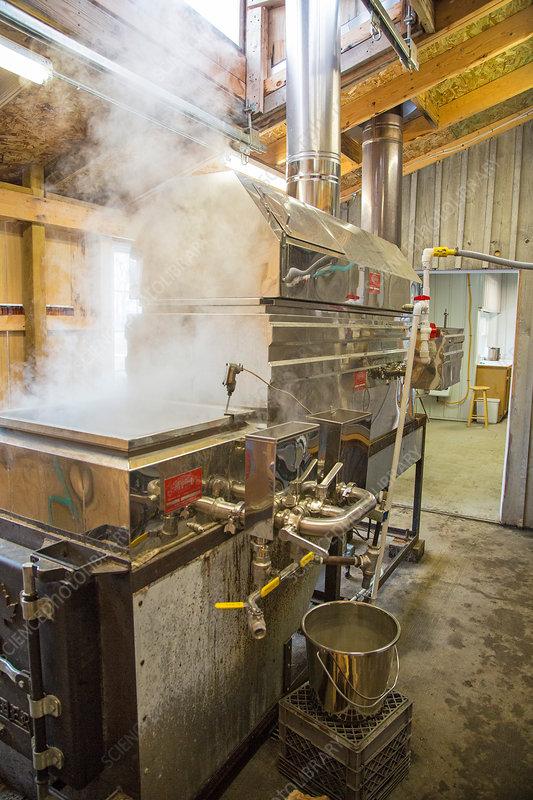
Initial tapping of 50 acres (of 100 potential), focusing on infrastructure setup, quality production, and direct sales.
Learn More →Grass-Fed Beef
Starter herd of 6-8 cow/calf pairs, focusing on pasture improvement, herd health, and building genetics.
Learn More →Diversified Crops
1-2 acres for CSA, farmers' market, and farm stand, focusing on soil health and high-value items.
Learn More →Bees & Honey
5-10 hives for pollination and honey production, a low-labor enterprise with good margins.
Learn More →Hops
Establish 1 acre of hops, focusing on trellis construction and planting. Minimal yield in Years 1-2.
Learn More →Brewery (R&D Phase)
Small pilot system for recipe development and market research. Not for significant commercial sale yet.
Learn More →Long-Term Plantings
Christmas trees (1-2 acres) and orchard (Vermont-hardy fruit trees) planted for future revenue.
Learn More →Marketing & Sales
Branding development, on-site farm stand, presence at local farmers' markets, and basic website/social media.
Learn More →Phase 2: Scaling & Brewery Launch (Years 3-5)
Key Objectives
- Launch production brewery with on-site taproom
- Scale existing enterprises to optimal production
- Begin sustainable forestry operations
- Develop agritourism elements and on-farm events
- Achieve positive net income and begin mortgage principal reduction
Maple Syrup Expansion
Expand tapping to 75-100 acres, increase production efficiency, and develop value-added products.
Learn More →Grass-Fed Beef Growth
Grow herd to target size (16-20 cows), establish consistent direct sales channels, and build customer base.
Learn More →Production Brewery Launch
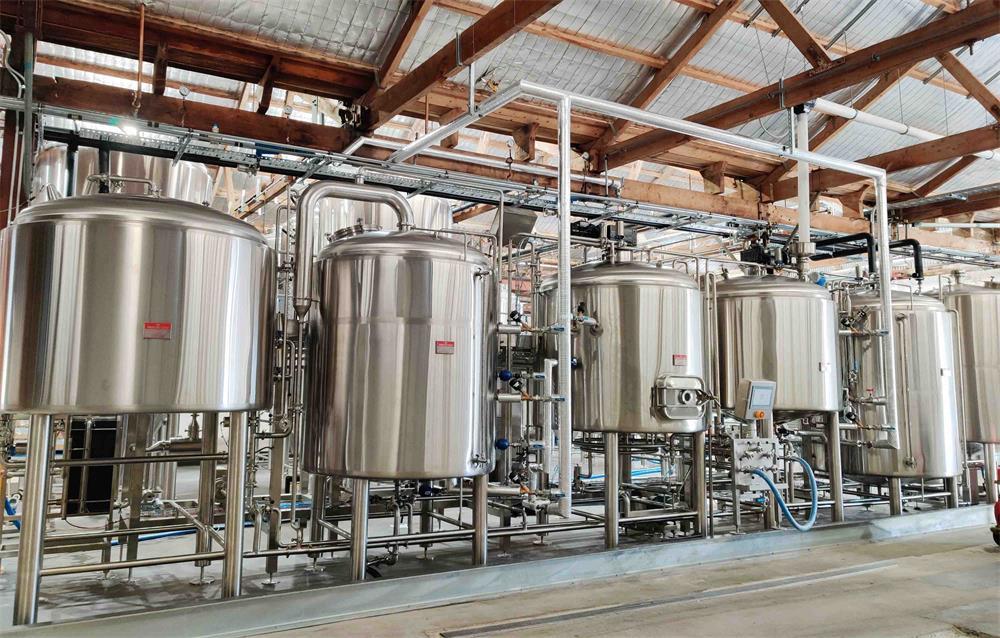
7-bbl system housed in renovated barn space with on-site taproom and limited local self-distribution.
Learn More →Sustainable Forestry & Lumber
Begin selective harvesting from managed woodlots using portable sawmill for on-farm lumber and local sales.
Learn More →Crop Optimization
Optimize and potentially expand to 3-4 acres based on market demand and profitability analysis.
Learn More →Agritourism Development
Brewery events, farm tours, tastings, and potential for small pick-your-own operations by Year 5.
Financial Projections
Explore our interactive financial model below. Adjust key parameters to see how different scenarios might affect our farm's profitability and growth trajectory.
Initial Investment & Fixed Costs
The interactive financial model below allows you to adjust key property investment parameters including purchase price, down payment, and mortgage terms. You can also specify family living expenses to calculate your farm income requirements.
By default, we've pre-populated values based on our research: a $2M property investment with $500k down payment and a 30-year mortgage at 4.5% interest. Our model shows potential pathways to financial sustainability based on a range of scenarios.
The model now includes property acreage configuration to help you visualize how land use impacts financial outcomes. Adjust total farm acreage and forest/farmland distribution to see how different property types affect enterprise potential and overall farm profitability.
You can also indicate any existing infrastructure on the property, which reduces initial capital investment needs for each enterprise and improves early-year cash flow.
Financial Projections
Initial Investment & Fixed Costs
Adjust the property purchase details and fixed costs to see how they impact the farm's financial projections. The calculated mortgage payment and net income goal will update based on your inputs.
Property Investment
Property Acreage
This represents the land available for crops, pasture, and farm infrastructure.
Fixed Costs & Living Expenses
Adjust for property value and Current Use enrollment status.
Annual family living expenses beyond housing costs.
Current annual housing costs that will be eliminated after moving to the farm.
This represents the target net income needed to cover your family living expenses. The farm's revenue should cover its operating expenses, fixed costs, and this income goal.
Existing Farm Infrastructure
Select any infrastructure that already exists on the property. This reduces the initial capital investment needed for each enterprise, improving cash flow in the early years.
This reduces initial startup capital requirements.
Renewable Energy Investment
Investing in renewable energy can reduce operating costs and provide environmental benefits. Adjust solar capacity to see the impact on your farm's long-term financial performance.
Fixed Costs Breakdown
| Expense Type | Annual Amount |
|---|---|
| Mortgage Payment | $113,724 |
| Property Taxes | $35,736 |
| Insurance | $12,000 |
| Utilities | $9,600 |
| Property Maintenance | $24,000 |
| Subtotal (Total Property Costs) | $195,060 |
| Current Housing Costs (offset) | -$50,000 |
| Net Fixed Costs | $145,060 |
Farm Business Property Cost Explanation
The farm's financial model separates costs between what you'd spend on housing regardless (your current housing costs) and the additional property expense attributable to the farm business:
Why this matters: You would incur housing costs regardless of having a farm business. By offsetting your current housing costs, we isolate the additional property expense truly attributable to the farm business.
Net Income Goal: The farm must generate $140,000 to cover your family living expenses (beyond housing). Combined with covering the net farm business property costs of $145,060, this forms your overall financial target.
Note: Current housing costs are subtracted as they would be eliminated after moving to the farm.
Model Parameters
Adjust the sliders below to see how different business decisions might affect our farm's financial projections. The charts will update automatically to reflect your changes.
Maple Syrup Operation
Higher retail percentage increases margins but requires more direct sales effort.
More taps means more production but requires additional equipment and labor. This represents your target acreage at full operation (we start with most maple infrastructure in Year 1).
Livestock Operation
Larger herd size increases revenue but requires more pasture and winter feed. This represents your target herd size (we start with infrastructure in Year 1 and begin operation in Year 2).
More laying hens provide additional egg revenue with moderate infrastructure costs. Production begins in Year 1 and scales up.
Brewery Operation
Larger system increases production capacity but has higher startup and operating costs. This represents your target system size (brewery operations begin in Year 3).
Crop Production
More crop acreage increases CSA/farmstand capacity but requires more labor. This represents your target acreage (crop production scales gradually over 5 years).
Honey Production
More hives increase honey production and provide pollination benefits to crops, but require more management time and skills.
Other Enterprises
The financial model also includes revenue and expenses from:
- Christmas Trees (revenue starts Year 3)
- Lumber & Forestry (modest selective harvesting)
- Hops Production (primarily for brewery use)
These enterprises are included in the financial model at fixed levels but contribute to diversification and sustainability.
Key Financial Metrics
Total 5-Year Revenue
$2,227,000
Year 5 Net Income
$288,440
Breakeven Year
3
Net Farm Business Property Costs
$145,060
Property Acreage Distribution
Forested Land Usage
- Maple sugaring: 75 acres
- Sustainable forestry: 25 acres actively managed
- Conservation & wildlife habitat: 0 acres
Farmable Land Usage
- Pasture for livestock: 24 acres
- Crops & vegetables: 2 acres
- Specialty crops (hops, Christmas trees): 6 acres
- Farm infrastructure: 8 acres
Revenue vs. Expenses
This chart shows our projected total revenue compared to both operating expenses (specific to each enterprise) and fixed costs (mortgage, taxes, insurance, etc.) over the five-year plan.
Revenue by Enterprise
| Enterprise | Year 1 | Year 2 | Year 3 | Year 4 | Year 5 |
|---|---|---|---|---|---|
| Maple Syrup ⓘ | $60,000 | $90,000 | $120,000 | $135,000 | $150,000 |
| Grass-Fed Beef ⓘ | $0 | $40,000 | $80,000 | $100,000 | $120,000 |
| Crops ⓘ | $24,000 | $36,000 | $48,000 | $54,000 | $60,000 |
| Honey ⓘ | $5,000 | $10,000 | $15,000 | $18,000 | $20,000 |
| Hops ⓘ | $0 | $6,000 | $12,000 | $24,000 | $30,000 |
| Brewery ⓘ | $0 | $0 | $180,000 | $240,000 | $300,000 |
| Lumber & Forestry ⓘ | $5,000 | $15,000 | $25,000 | $40,000 | $50,000 |
| Christmas Trees ⓘ | $0 | $0 | $10,000 | $20,000 | $30,000 |
| Eggs ⓘ | $5,000 | $9,000 | $12,000 | $14,000 | $15,000 |
| Total Revenue | $99,000 | $206,000 | $502,000 | $645,000 | $775,000 |
Revenue projections assume gradual scaling of operations and market development over the 5-year period. Click on any enterprise name for details.
Operating Expenses by Enterprise
| Enterprise | Year 1 | Year 2 | Year 3 | Year 4 | Year 5 |
|---|---|---|---|---|---|
| Maple Syrup ⓘ | $35,000 | $45,000 | $60,000 | $70,000 | $75,000 |
| Grass-Fed Beef ⓘ | $10,000 | $20,000 | $32,000 | $38,000 | $45,000 |
| Crops ⓘ | $16,000 | $20,000 | $26,000 | $30,000 | $33,000 |
| Honey ⓘ | $2,500 | $4,500 | $6,000 | $7,000 | $8,000 |
| Hops ⓘ | $5,000 | $3,000 | $5,000 | $10,000 | $12,000 |
| Brewery ⓘ | $15,000 | $30,000 | $90,000 | $115,000 | $135,000 |
| Lumber & Forestry ⓘ | $2,000 | $6,000 | $10,000 | $16,000 | $20,000 |
| Christmas Trees ⓘ | $2,000 | $2,500 | $3,500 | $5,500 | $8,000 |
| Eggs ⓘ | $2,500 | $3,500 | $4,500 | $5,000 | $5,500 |
| Total Operating Expenses | $90,000 | $134,500 | $237,000 | $296,500 | $341,500 |
Operating expenses include direct costs associated with each enterprise such as labor, supplies, feed, and maintenance. Family labor is valued at below-market rates. Click on any enterprise name for details.
Summary Financials
| Category | Year 1 | Year 2 | Year 3 | Year 4 | Year 5 |
|---|---|---|---|---|---|
| Total Revenue | $99,000 | $206,000 | $502,000 | $645,000 | $775,000 |
| Total Operating Expenses | $90,000 | $134,500 | $237,000 | $296,500 | $341,500 |
| Fixed Costs | $145,060 | $145,060 | $145,060 | $145,060 | $145,060 |
| Net Income | -$136,060 | -$73,560 | $119,940 | $203,440 | $288,440 |
| Cumulative Cash Flow | -$136,060 | -$209,620 | -$89,680 | $113,760 | $402,200 |
Annual Net Income
Annual net income (revenue minus all expenses) shows when we expect to become profitable on a year-to-year basis. Negative numbers in early years are expected as enterprises get established.
Cumulative Cash Flow
Cumulative cash flow tracks our overall financial position over time, accounting for both profits and losses. The upward trend in later years indicates improving financial stability.
Enterprise Comparison (Profit by Business Line)
This chart compares the profitability of each farm enterprise over time. Some enterprises like maple and honey generate revenue quickly, while others like the brewery have higher startup costs but potentially larger returns.
Notes on Financial Projections
- These projections are estimates based on current market conditions and research.
- The model accounts for startup costs in early years, with full production typically by Year 4-5.
- Each enterprise is phased in over time:
- Maple syrup and egg production begin in Year 1 and scale up through Year 5
- Beef operation has setup costs in Year 1, begins sales in Year 2, and reaches full capacity by Year 5
- Brewery has planning/setup in Years 1-2 and begins operations in Year 3
- Christmas trees require 3+ years to mature, with revenue starting in Year 3
- Crops, honey, and lumber enterprises gradually scale up over the 5-year period
- Fixed costs include mortgage, taxes, insurance, utilities, and maintenance, with an offset for current housing costs that would be eliminated.
- Operating expenses include enterprise-specific labor, supplies, feed, and maintenance, assuming family labor is not fully compensated at market rates.
- External income supplements farm revenue during the establishment phase (Years 1-3).
- The sliders control your target capacity at full operation, not starting values.
- Land use allocation between forest and farmable acreage impacts enterprise capacities, particularly maple syrup, lumber, and livestock operations.
- Renewable energy investments reduce operating expenses over time, with savings factored into the model based on solar capacity.
- This model focuses on direct operational revenue and expenses and does not include potential tax benefits, grants, or land appreciation.
Access granular breakdowns of revenue streams, expense categories, and profit metrics for each farm enterprise.
Risk Assessment & Mitigation
Market Risks
- Risk: Oversaturation of local craft beer market
- Mitigation: Focus on farm-to-glass story, unique ingredients, and taproom experience
- Risk: Price competition in commodity markets
- Mitigation: Direct-to-consumer focus, value-added products, premium positioning
Production Risks
- Risk: Climate change affecting maple syrup production
- Mitigation: Modern equipment, diversified tapping zones, extended season techniques
- Risk: Livestock health issues
- Mitigation: Preventative care, rotational grazing, veterinary partnerships
Financial Risks
- Risk: Interest rate increases affecting mortgage costs
- Mitigation: Fixed-rate mortgage, accelerated principal payments when possible
- Risk: Slower than projected revenue growth
- Mitigation: Conservative projections, phased capital investments, external income buffer
Operational Risks
- Risk: Labor shortages during peak seasons
- Mitigation: Family involvement, local partnerships, seasonal scheduling, automation where practical
- Risk: Equipment failures
- Mitigation: Preventative maintenance, backup systems, repair skills, equipment reserves
Skills & Resources
Family Skills & Expertise
- Jason: Technical problem-solving and systems building expertise. Engineering background with hands-on mechanical skills for infrastructure development, maple syrup systems, and brewery equipment setup.
- Laney: Logistics and leadership experience from healthcare procurement. Excellent operational management skills that keep the farm running efficiently, with strength in relationship building essential for community connections.
- Caius: Nutrition knowledge and passion for ethical food production. Oversees cattle management and ensures quality standards for all farm products, with a focus on health and sustainability.
- Macklin: Natural enthusiasm and social connectivity. Contributes to farm marketing and visitor experience, with developing interests in agricultural technology.
- Elliana: Design sensibilities and structural thinking. Contributes to farm aesthetics, layout planning, and visual branding elements.
Training & Development Focus
- Vermont Farm & Forest Viability Program mentorship
- UVM Extension workshops (maple production, livestock management, hops cultivation)
- Craft Brewers Conference and technical brewing courses
- NOFA-VT organic farming certification courses
- Holistic Management training for regenerative agriculture
- Vermont Fresh Network and agritourism development workshops
- Agricultural technology integration and automation systems
Farm Tax Strategies
Our farm business plan incorporates several strategic tax approaches to optimize our financial position and ensure long-term sustainability.
Current Use Enrollment
Vermont's Current Use program allows agricultural and forestry land to be taxed based on its farming or forestry value rather than development potential, providing substantial property tax savings. We plan to enroll eligible acreage to reduce annual tax burden while maintaining our commitment to working lands.
Depreciation Strategy
We'll use Section 179 deductions and bonus depreciation for qualified farm equipment and infrastructure investments to accelerate tax deductions in early years. This will help offset startup costs and external income, particularly for major investments in maple equipment, brewing systems, and livestock facilities.
Agricultural Structures
Vermont's Agricultural Buildings tax exemption allows qualifying farm structures to be exempted from property tax assessment. We'll ensure barns, sugar houses, and other qualifying structures are properly registered to reduce annual tax expenses.
Business Entity Structure
We've structured our farm as an LLC with S-Corporation tax treatment, allowing us to optimize self-employment taxes while maintaining liability protection. The brewery operation will be separated as a distinct entity for regulatory compliance and potential future investment opportunities.
Income Averaging
Farm Income Averaging allows farmers to distribute income over three years, reducing tax liability in highly profitable years. This is particularly valuable for our operation given the seasonal nature of maple syrup production and the expected variability in early-stage farm income.
Conservation Incentives
We'll explore conservation easements for portions of our property to preserve agricultural use and natural habitats while potentially qualifying for tax incentives. These programs align with our environmental values while providing financial benefits.
Note: This plan outlines potential tax strategies that may be appropriate for our farm business. We work with qualified agricultural tax professionals to ensure compliance and optimization for our specific situation.
Key Grant & Funding Opportunities
Vermont offers numerous grant programs to support agricultural enterprises, particularly for sustainable and value-added operations. While we're building a financially sustainable business model that doesn't rely on grant funding, we will strategically pursue these opportunities to accelerate growth and infrastructure development.
Maple-Specific Funding
- Vermont Working Lands Enterprise Initiative: Provides grants of $5,000-$150,000 for agricultural enterprises, including maple operations seeking to increase production efficiency or add value-added processing.
Learn More → - USDA Rural Energy for America Program (REAP): Can fund up to 25% of renewable energy systems or energy efficiency improvements, applicable to modernizing sugar house operations.
Learn More → - Vermont Forest Legacy Program: Provides funding to protect working forest lands, including sugar bush operations, through conservation easements.
Learn More →
General Agricultural Support
- USDA Environmental Quality Incentives Program (EQIP): Provides financial assistance for implementing conservation practices, including improved grazing systems and forestry management.
Learn More → - Vermont Farm & Forest Viability Program: Offers business planning support, including financial management training and grants up to $10,000 for farm infrastructure improvements.
Learn More → - USDA Value-Added Producer Grant: Supports planning and capital expenses for value-added agricultural products, applicable to our brewery, specialty maple products, and direct-to-consumer meat processing.
Learn More → - Vermont Agency of Agriculture Food & Markets Grant Programs: Multiple specialty crop, local food, and dairy improvement grant programs.
Learn More →
Grant Application Strategy
Our approach to grant funding is selective and strategic. We prioritize applications that:
- Align with our business plan and enhance existing enterprise development
- Support sustainable and regenerative agricultural practices
- Fund infrastructure with long-term value beyond the grant period
- Provide matching funds for investments we're already planning to make
- Enhance our ability to serve as a demonstration farm for agricultural innovation
Marketing & Sales Strategy
Our marketing approach centers on authentic storytelling and direct customer relationships. We believe in transparency about our practices and building genuine connections with our community.
Brand Identity
Our brand emphasizes the integration of the farm's enterprises—the "elements" that work together in harmony. Visual identity features natural colors, clean design, and imagery highlighting our connection to the Vermont landscape. Messaging focuses on quality, sustainability, and the family's personal commitment to the land.
Each product line maintains consistent branding while highlighting its unique story and production methods.
Direct Sales Channels
- On-Farm Store: Central sales point for all farm products with seasonal hours expanding annually
- Brewery Taproom: Primary venue for beer sales with cross-promotion of farm products
- Farmers Markets: Weekly presence at 2-3 local markets during peak season
- CSA Program: 25-50 member program integrating vegetables, seasonal maple products, and optional meat add-ons
- E-Commerce: Online store for shelf-stable products (maple, honey, brewery merchandise)
- Farm Events: Seasonal events like sugaring open houses, harvest festivals, and beer releases
Digital Marketing
- Website: Comprehensive platform with online store, farm story, product information, and event calendar
- Email Marketing: Regular newsletters with seasonal updates, product availability, and event announcements
- Social Media: Active presence on Instagram and Facebook with content focused on:
- Behind-the-scenes farm life and production processes
- Seasonal agricultural activities and brewery operations
- Educational content about sustainable farming
- New product announcements and availability
- Content Creation: Blog posts and videos documenting our farming practices and brewery development
Local Partnerships
We'll develop strategic relationships with local businesses and organizations to expand our reach and strengthen our community presence:
- Restaurant accounts for maple syrup, specialty ingredients, and draft beer
- Cross-promotion with complementary local food producers and tourism operations
- Participation in Vermont Fresh Network and local food-focused events
- Collaboration with nearby farms on agritourism initiatives
- Partnership with regional distributors for limited beer distribution within Vermont
Customer Engagement
We believe in building lasting relationships with our customers through education and experience:
- Farm Tours: Scheduled tours highlighting sustainable production methods
- Educational Workshops: Seasonal classes on topics like maple sugaring, brewing basics, and gardening
- Loyalty Program: Rewards for repeat customers and referrals
- Community Events: Hosting events that connect people to agriculture and local food systems
- Feedback Mechanisms: Regular surveying of customers to improve products and experiences
Market Analysis & Competition
Vermont's agricultural landscape offers both opportunities and challenges. Our multi-enterprise approach positions us to capitalize on several strong market trends while differentiating ourselves from competitors.
Vermont Maple Industry
Vermont leads US maple production with approximately 50% of domestic output. The market has seen steady growth of 6-10% annually over the past decade, with premium and organic products showing the strongest gains.
Key Competitors: Large-scale operations (5,000+ taps) dominate bulk production, while numerous small producers (500-2,000 taps) compete in direct-to-consumer sales. Mid-sized operations like ours (3,000-5,000 taps) must balance efficiency with premium positioning.
Our Advantage: Integration with brewery for specialty maple beers, focus on high-end direct sales, and potential for value-added products like maple cream, candy, and specialty infusions.
Craft Brewery Market
Vermont has the highest number of breweries per capita in the US, with over 60 breweries in a small state. Despite this density, Vermont breweries continue to attract tourism and maintain strong local support, with farm breweries representing an emerging niche.
Key Competitors: Established craft breweries with wide distribution networks, several farm-based breweries with growing reputations, and new specialty brewers focusing on innovative techniques.
Our Advantage: True farm-to-glass production with estate-grown ingredients (hops, maple, honey), focus on place-based beers that express our terroir, and integrated experience combining brewery visits with farm activities.
Local Food & Direct Sales
Vermont's local food market continues to grow, with over 25% of Vermonters reporting regular farmers' market attendance and CSA participation above national averages. Demand for pastured meat, organic produce, and artisanal products remains strong.
Key Competitors: Established vegetable CSAs, specialized livestock operations, and farms with loyal multi-generational customer bases.
Our Advantage: Diverse product mix allowing for year-round customer engagement, integration of food products with brewery taproom offerings, and compelling brand narrative across multiple enterprises.
Agritourism Potential
Vermont agritourism generates over $51 million annually. Visitor interest in agricultural experiences continues to grow, with particular appeal to both local residents and the 13 million annual visitors to Vermont.
Key Competitors: Established tourist destinations including larger maple operations with pancake houses, multi-activity farm parks, and well-known brewery tour routes.
Our Advantage: Authentic working farm experience, combination of educational components with recreational activities, and year-round appeal through seasonal offerings (sugaring, harvest events, special brewery releases).
Market Trends Supporting Our Model
- Premiumization: Consumer willingness to pay more for high-quality, sustainably produced food and beverages
- Experiential consumption: Growing preference for products with stories and experiences attached
- Agritourism growth: Increased interest in farm visits, agricultural education, and rural activities
- Terroir awareness: Growing consumer appreciation for place-based products reflecting unique growing conditions
- Local food movement: Continued strength of "buy local" initiatives and direct producer-to-consumer relationships
- Culinary tourism: Vermont's growing reputation as a food and beverage destination
- Remote work trends: Increased population of rural residents with disposable income seeking local experiences
- Outdoor recreation connection: Potential to connect with Vermont's active tourism industry (hiking, skiing, biking)
What Sets Us Apart
Elements Farm & Brewery offers a distinctive value proposition that differentiates us in Vermont's agricultural and craft beverage landscape.
True Integration of Enterprises
Unlike farms that operate separate businesses under one roof, our model creates synergies between enterprises:
- Brewery ingredients grown on-site (hops, specialty grains, maple, honey)
- Brewing byproducts repurposed for livestock feed and soil amendments
- Shared infrastructure reducing capital costs across enterprises
- Cross-trained family workforce minimizing external labor costs
- Complementary seasonal work flows balancing year-round activities
Technological Innovation
We bring modern technology to traditional farming practices, increasing efficiency while maintaining authenticity:
- Smart maple production systems with remote monitoring
- Data-driven agriculture for optimized planting and harvesting
- Renewable energy integration throughout operations
- Precision brewing equipment for consistent quality
- Digital marketing and e-commerce capabilities
- Custom farm management software for operations tracking
Educational Focus
We position the farm as a learning laboratory, creating deeper customer connections through education:
- Demonstration of sustainable farming techniques
- Workshops and classes on traditional skills
- Transparent production practices visible to visitors
- Digital content showcasing agricultural knowledge
- Partnerships with schools and universities
- Focus on agricultural literacy for all ages
Full-Cycle Sustainability
Our commitment to sustainability extends beyond organic practices to a comprehensive systems approach:
- Carbon sequestration through forestry and pasture management
- Closed-loop waste systems within the farm ecosystem
- Renewable energy supplying significant operational needs
- Water conservation and protection practices
- Packaging reduction and reuse programs
- Climate-adaptive agricultural techniques
Year-Round Engagement
Our diverse enterprises create opportunities for customers to engage with the farm in all seasons:
- Winter: Maple sugaring experiences, brewery events, holiday markets
- Spring: Planting activities, livestock births, early harvest crops
- Summer: Farm tours, beer garden, u-pick opportunities, CSA
- Fall: Harvest festivals, specialty beer releases, holiday preparations
- Continuous taproom operation providing consistent customer touchpoint
- Online content and store maintaining connections between visits
Community Integration
We see the farm as a community asset with benefits extending beyond our business:
- Public gathering space in the brewery taproom
- Educational opportunities for local schools
- Hosting community events and celebrations
- Partnerships with local businesses and organizations
- Contributing to regional food security
- Preserving agricultural heritage and working landscape
Join Us On This Journey
We're excited about building Elements Farm and Brewery into a thriving agricultural business and community asset. Connect with us to learn more about our plans or to explore potential partnerships.
Contact Us